Table of Contents
- – Grief and Professional Life in Healthcare Prof...
- – How Narrative Therapy Transforms the Trauma Re...
- – Moving Beyond from Perfectionism Through Spec...
- – The Internal System That Motivate Achievement
- – Creating Inner Safety in Therapy for PTSD Cl...
- – Releasing from Imposter Syndrome Through Spe...
- – The Connection Between PTSD and Perfectionism
While every person experiences grief in different ways, recognizing the numerous phases of despair can assist you expect and understand some of the responses you might experience throughout the mourning procedure. It can also help you understand your requirements when regreting and locate ways to fulfill them. Comprehending the mourning process can eventually aid you work towards approval and healing.
They can likewise aid you accept that your sensations are not uncommon or wrong. You may acknowledge sensations that a phase describes, and this will certainly aid you know which phase you are in. Nevertheless, there is no set way of acknowledging a stage. Phases can additionally reoccur, and and earlier stage can return later on.

Grief is a global human experience that touches every person eventually in life. Whether it's the loss of a liked one, the end of a relationship, a profession trouble, or an additional substantial modification, sorrow is the all-natural psychological feedback to loss. According to the American Psychological Association, about 10-20% of individuals experience challenging griefa consistent kind of extreme griefafter losing a person close to them.
It stands for the strength of your love and the depth of your loss. The negotiating stage frequently entails a series of "what happens if" and "so" ideas as you psychologically work out for a different outcome: "If just I had taken them to the physician earlier ..." "What if I had been a better partner/friend/child?" "I guarantee to be a much better individual if this pain disappears"A 2020 testimonial in the Journal of Counseling Psychology discovered that negotiating ideas happened in about 57% of bereaved individuals, with greater prices amongst those managing sudden or unexpected losses.
Grief and Professional Life in Healthcare Professionals
Acceptance doesn't indicate you're "over it" or that the pain has gone away. Instead, it indicates you're discovering to live with the loss as component of your story: Adapting to a brand-new truth Discovering new routines and patterns Experiencing minutes of pleasure without sense of guilt Being able to talk concerning the loss much more quickly Producing meaning from your experienceA longitudinal research released in JAMA Psychiatry discovered that the majority of bereaved people reached some degree of approval within 6-24 months, though this timeline differs considerably relying on factors like relationship to the dead and conditions of death.
Everybody experiences sorrow in a different way. Your experience of grief and exactly how you deal with it will certainly depend on different elements. These may include your age, previous experiences with pain and your spiritual or spiritual sights.
How Narrative Therapy Transforms the Trauma Response in PTSD & Trauma Practitioners
Awaiting despair implies sensation depressing before the loss occurs. As opposed to grieving for the person, that is still with you, you may feel despair for the important things you will not get to do together in the future. When encountering a significant loss, such as the death of a liked one, it is all-natural to feel lots of strong emotions.
This does not imply you have actually surrendered on the individual or that you uncommitted for them. People identified with a terminal ailment and those facing the fatality of a loved one might experience awaiting pain. If you have actually been detected with an incurable illness, you might experience lots of emotions including shock, anxiety and sadness.
You regret shed chances or experiences you'll miss even tiny ones, such as the satisfaction of the sunlight or a warm cup of coffee. If somebody you love is encountering an incurable disease, it is usual to experience awaiting sorrow in the months, weeks and days before death. You could grieve the same things your loved one is grieving, or different losses entirely.
Moving Beyond from Perfectionism Through Specialized Treatment in Los Angeles
You could really feel anticipatory grief If your liked one is puzzled or subconscious for a lengthy time (e.g. with delirium or dementia). You might feel that the individual you recognized is currently gone, even if they are still literally there. If your enjoyed one has a decline in physical wellness or wheelchair, you may feel anticipatory grief as you lose the opportunity to share experiences, such as leisure activities, holidays or occasions.
This is especially true if you spend a great deal of time taking care of the person. You might miss out on tasks you utilized to take pleasure in together and feel grief about the change in your relationship. The nature of your relationship may alter as you handle a carer's role, or become the one being taken care of.
The Internal System That Motivate Achievement
Feelings of pain prior to fatality are normal it is necessary to recognise them, and to discuss them. Experiencing awaiting despair does not always mean that you will regret your liked one any kind of much less after they are gone. Carers of people that are terminally ill may become more detailed to their enjoyed one, making their sensations of sorrow after fatality a lot more intense.
Lifeline gives assistance for people experiencing emotional distress. Beyond Blue provides info and support for individuals experiencing mental health and wellness troubles including despair. Griefline Call 1300 845 745 for support available to adults aged 18 years and over. Mensline offers telephone and online counselling and assistance to men in Australia. Cancer Council gives information and assistance to individuals with cancer cells and their loved ones.
Creating Inner Safety in Therapy for PTSD Clients in Los Angeles
Go to the CareSearch web site for links to palliative care and end-of-life info in a variety of neighborhood languages. Call Carer Portal on 1800 422 737 for resources to sustain for Aboriginal and/or Torres Strait Islander carers and areas. CareSearch gives details on recognizing grief, end of life and palliative treatment demands of the LGBTIQA+ neighborhood. Individuals speak about the five phases of sorrow as: rejection anger bargaining depression acceptance. Actually, we do not experience sensations of sorrow individually or in a particular order. We understand that there are no set phases that every person experiences. You might experience these things since they are all regular sensations of despair.
It's typical to feel other things too, such as shock, anxiousness, fatigue, or regret. Some individuals feel numb after the fatality of a person they appreciated. They may even attempt to continue as though absolutely nothing has actually occurred. If you experience this, it can be due to the fact that it's simply too tough to think that the person you recognize so well is not returning.
Releasing from Imposter Syndrome Through Specialized Treatment in Los Angeles
Perhaps they guarantee themselves that they will currently always do (or not do) something, believing that it can make the individual who has passed away come back. Individuals might additionally locate that they maintain going back over the past and ask lots of 'what if' concerns, wanting that they can go back and alter points so that they could have turned out in a different way.
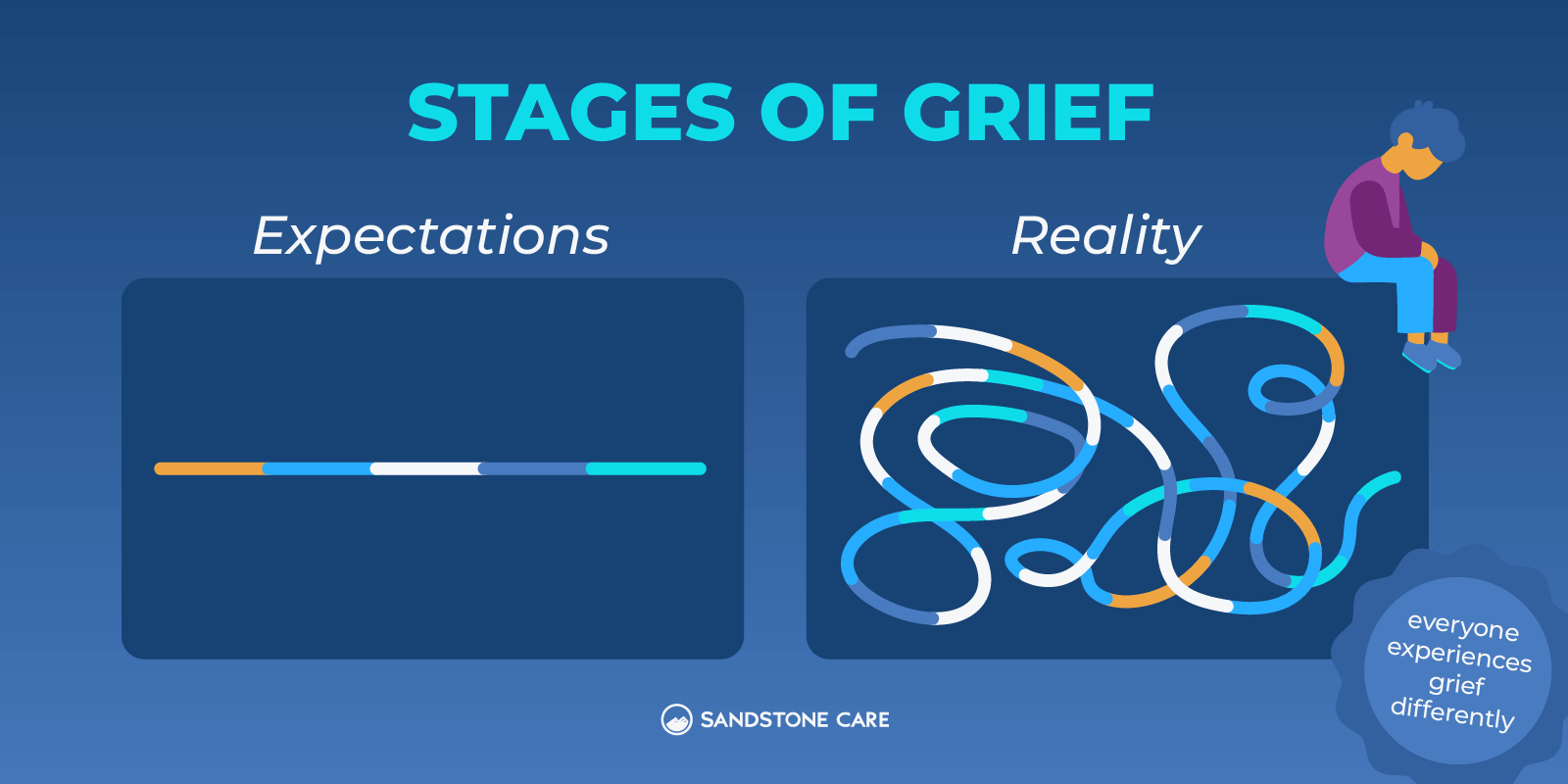
These sensations can be very extreme and uncomfortable, and they might come and go over many months or years. Yet the majority of people discover that unpleasant sensations like this become less strong gradually. If you do not feel this holds true for you, after that you ought to request aid.
Her design became extensively accepted as a method to recognize despair, however gradually, pain counsellors and scientists broadened upon it, resulting in the advancement of the. This extended design integrates added emotional responses that individuals may experience: The initial reaction to loss usually brings shock and shock. This stage works as a safety mechanism, allowing us to take in the truth of our loss in convenient doses.
The Connection Between PTSD and Perfectionism
As the shock fades, deep emotional discomfort embed in. Feelings of remorse or shame may arisewondering if you could have done something in different ways, or sensation sorrow over points left unspoken. It's vital to recognize these sensations rather than suppress them. Grief can show up as angertoward yourself, others, or perhaps the person that has passed.

Table of Contents
- – Grief and Professional Life in Healthcare Prof...
- – How Narrative Therapy Transforms the Trauma Re...
- – Moving Beyond from Perfectionism Through Spec...
- – The Internal System That Motivate Achievement
- – Creating Inner Safety in Therapy for PTSD Cl...
- – Releasing from Imposter Syndrome Through Spe...
- – The Connection Between PTSD and Perfectionism
Latest Posts
How Therapists Deserve Targeted Integrative Therapy in the San Francisco Area
Developing a Future of Meaningful Work in Your Community
Consuming Disorders and OCD: Specialized Therapy for Athletes, Dancers, and Perfectionists
Navigation
Latest Posts
How Therapists Deserve Targeted Integrative Therapy in the San Francisco Area
Developing a Future of Meaningful Work in Your Community
Consuming Disorders and OCD: Specialized Therapy for Athletes, Dancers, and Perfectionists